Program
TERAKA is a certified community reforestation and sustainable development program
TERAKA Values
All TERAKA members, wherever they live, follow the TERAKA values. These values are essential to the success of the program and they are at the core of who we are as a community. These values are:
Read more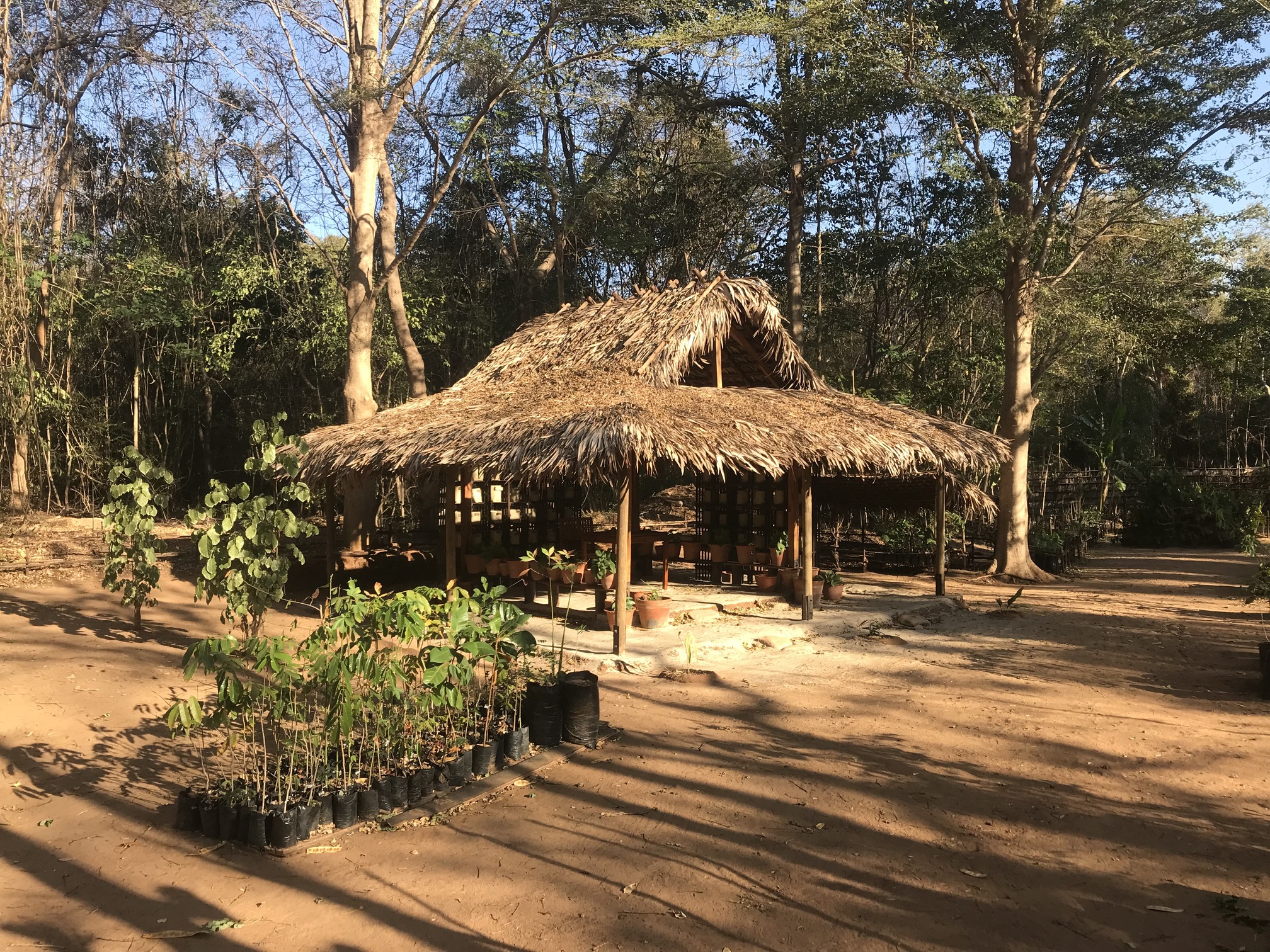
Afforestation / reforestation model
TERAKA is based on the TIST model, an internationally recognized and award-winning afforestation/reforestation program. After 20 years of success, TIST now brings together more than 150,000 farmers in 4 countries having planted more than 25 million of trees, sequestering more than 9 million tons of CO2.
Read more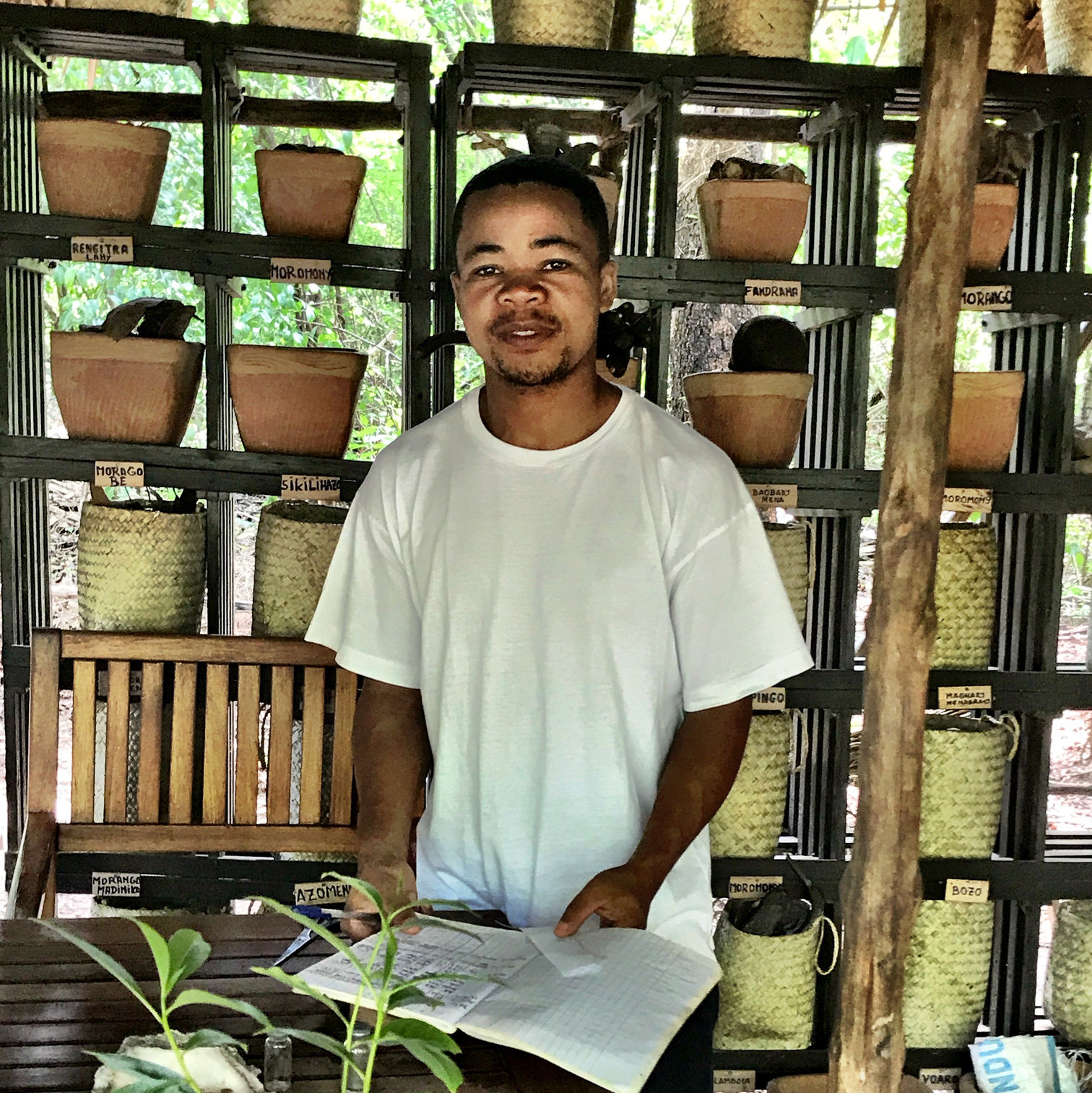
Training
TERAKA conducts training by hosting cluster-wide seminars that bring together several small groups of farmers. The topics discussed in these seminars vary according to the interests of the participants, which can include planting techniques, health, water management, improved cookstoves, value chains, and more. These seminars also facilitate the sharing of best practices between peers in line with local conditions and context.
Read more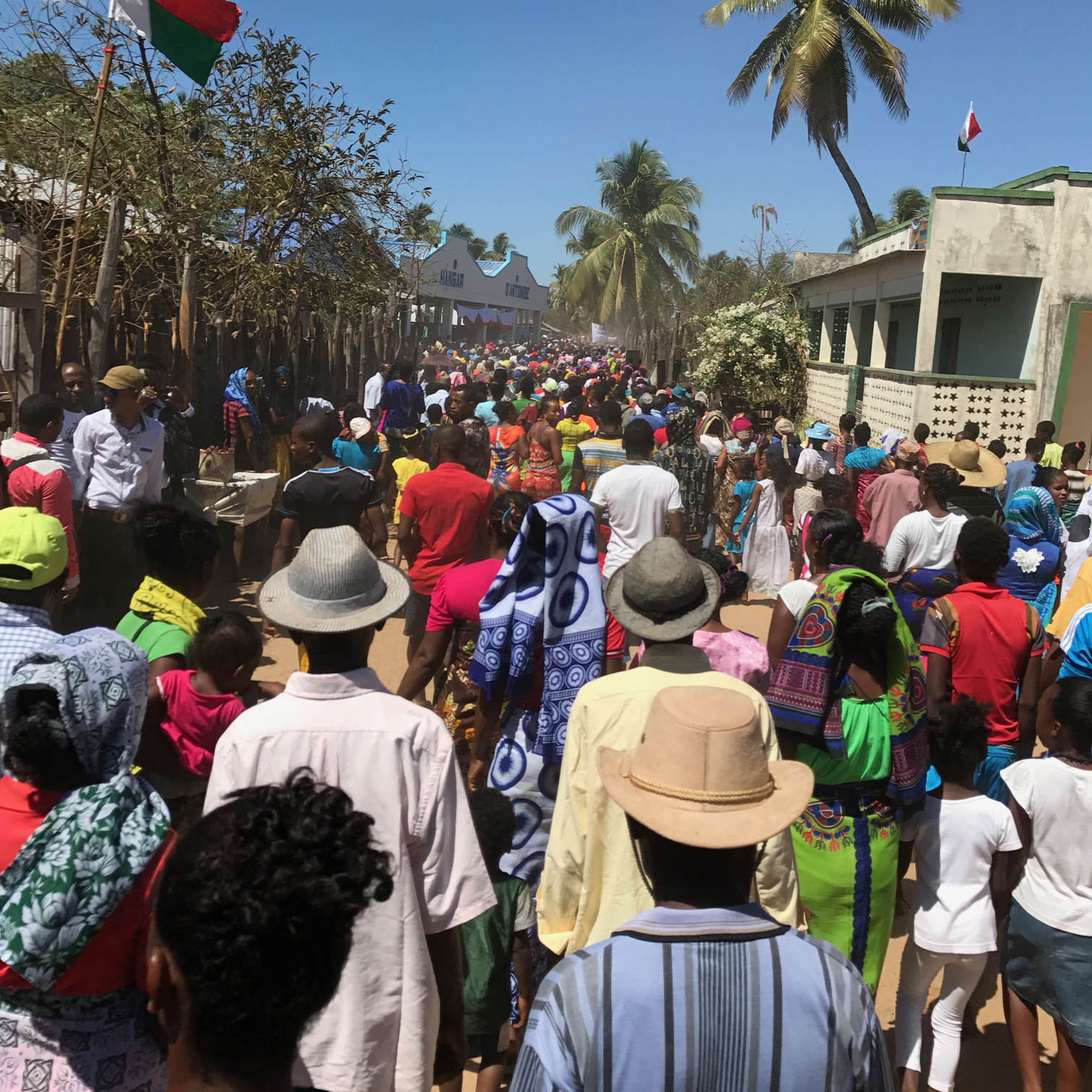
Governance and leadership
Through the organization of TERAKA Small Groups, participants benefit from the TERAKA program's experience in governance and leadership. Small group meetings allow members to collaborate, share ideas and discuss issues. topics other than tree planting. This regular exchange promotes the emergence of ideas as well as solidarity and improves communications and the natural organization of communities.
Read more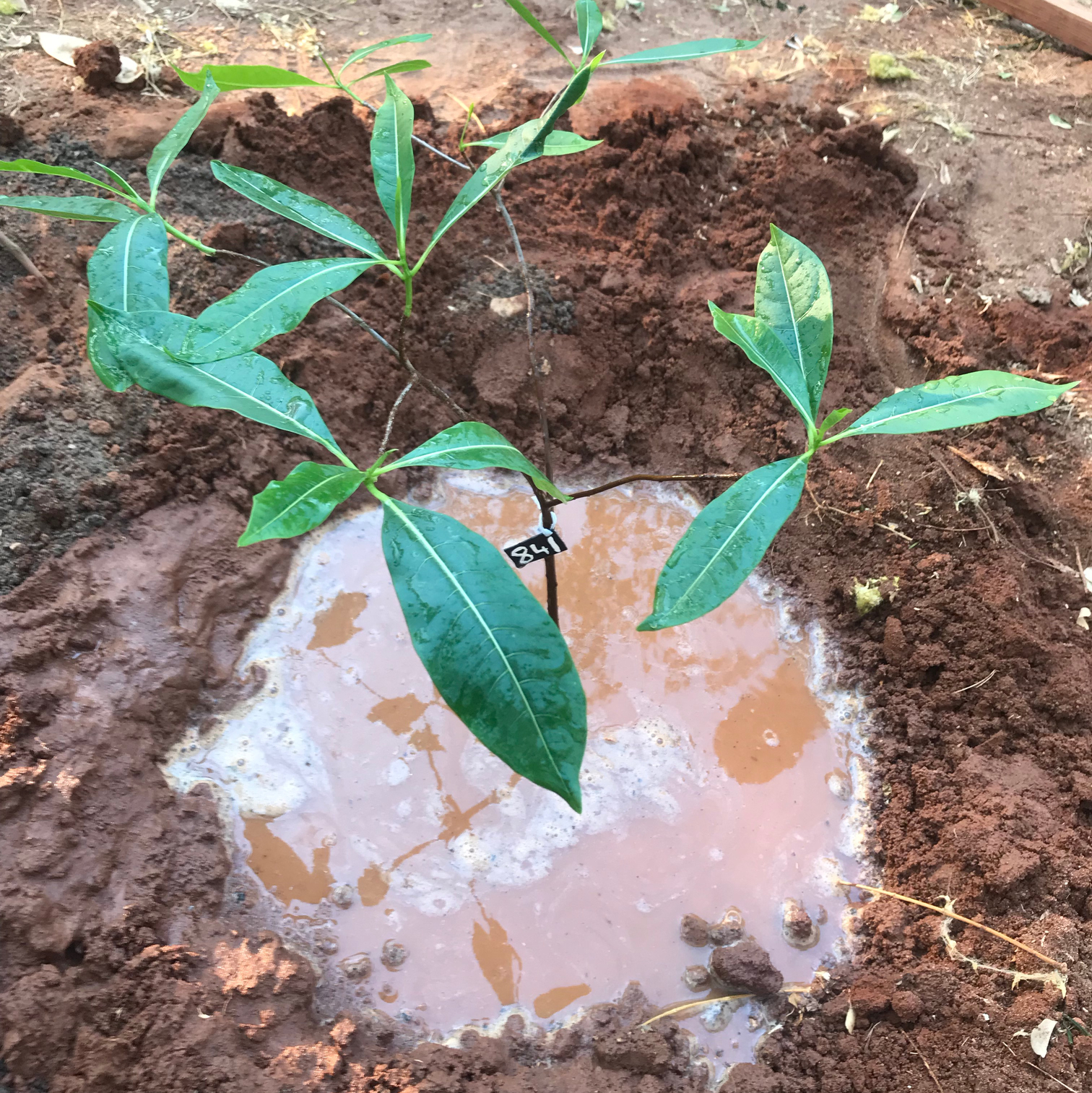
Cross-fertilization
Farmers learn about TERAKA from other TERAKA farmers and join small groups of 6-12 people who form Clusters of 200-400 local farmers. Clusters coordinate small groups of women and men and provide leadership opportunities who are making a difference in their local community.
Read more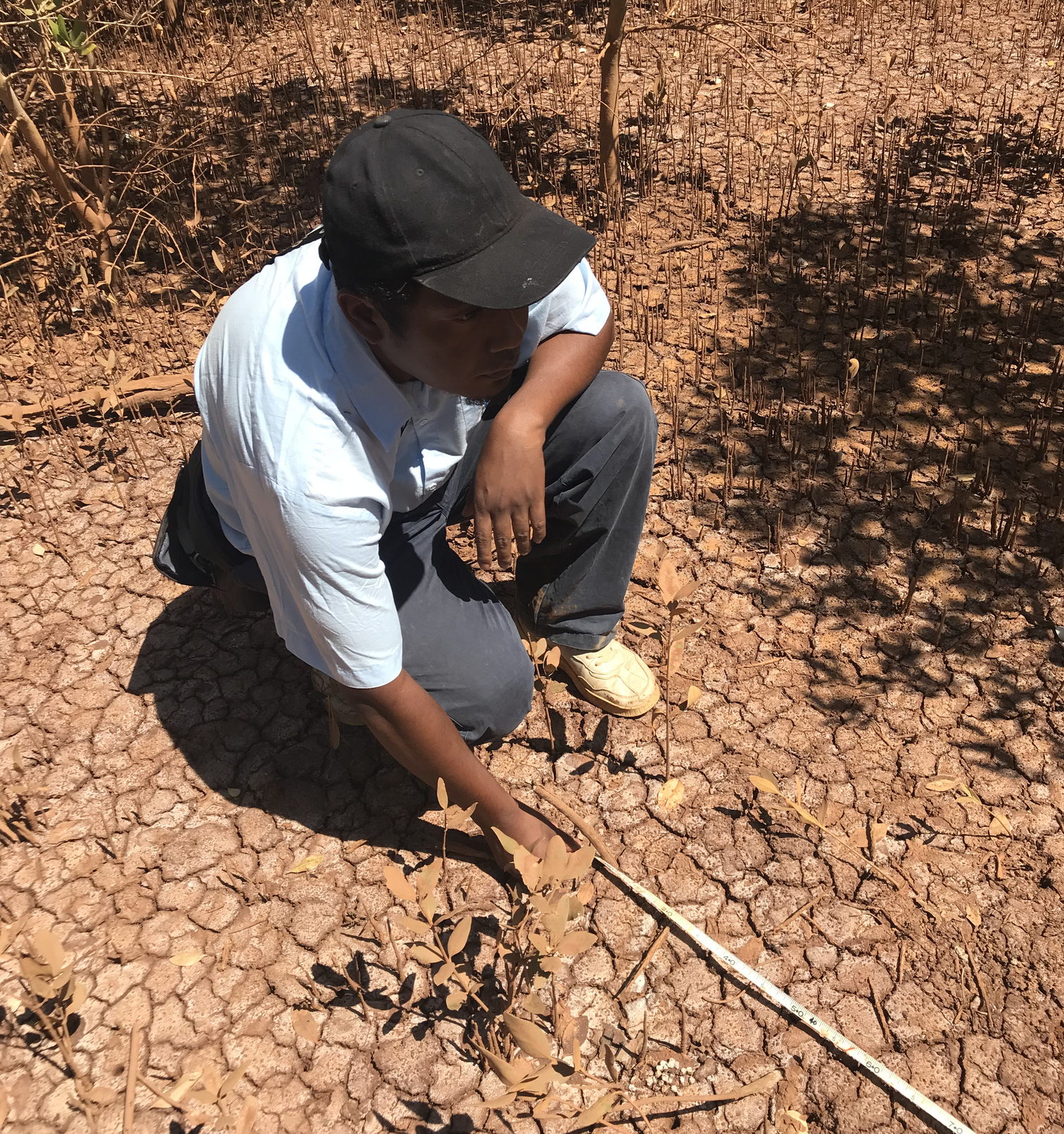
Monitoring, Reporting and Verification (MRV)
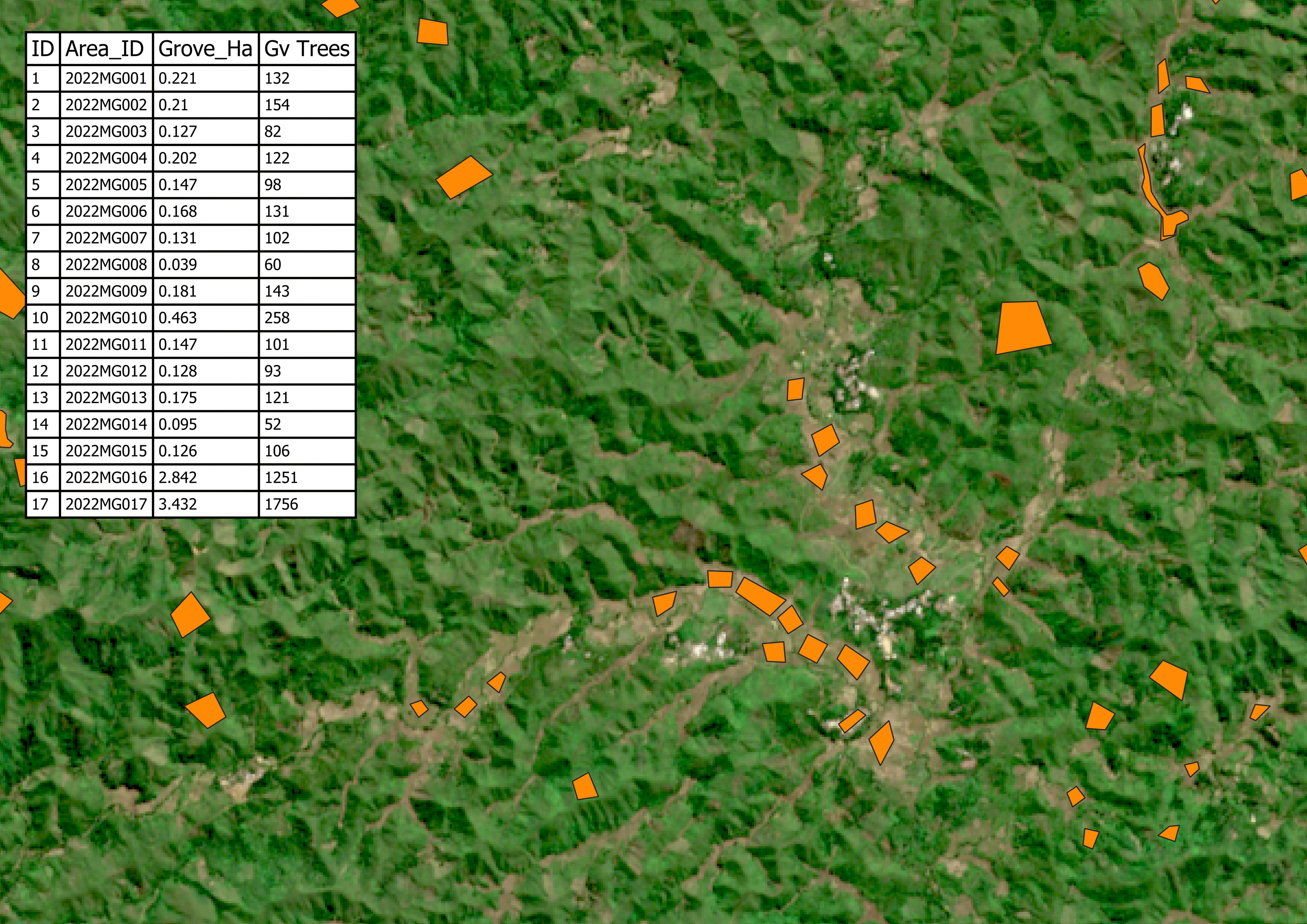
Teraka's MRV system is robust, transparent, efficient and economical. It monitors all the trees planted during the program and guarantees the eligibility of project areas. The system is hybrid based on the use of field and satellite data. The data produced is collected in a public database and its quality is systematically checked and audited at the various processing stages.
Read moreTERAKA
TERAKA Values
All TERAKA members, wherever they live, follow the TERAKA values. These values are essential to the success of the program and they are at the core of who we are as a community. These values are:
- We are honest
- We are precise
- We are transparent
- We are mutually responsible
- We are at the service of each other
- We are volunteers
- We create BIG results with small budgets
How are we different ?
We are volunteers
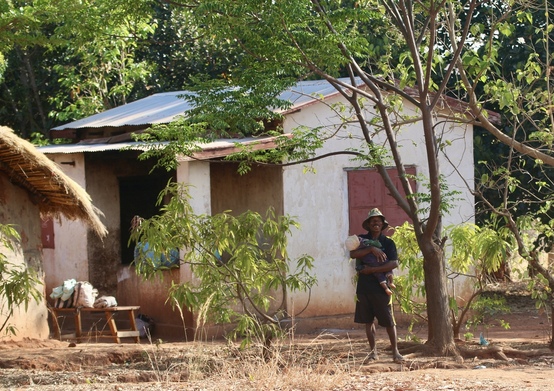
TERAKA is made up of farmers who volunteer to join the TERAKA community. They enjoy training, gathering agricultural knowledge and helping the environment.
We develop and use best practices
When we work together, we can find ways to improve our farms that suit our region. We can also share our best ideas with other farmers near or far.
We do the work ourselves in small groups
TERAKA is made up of small groups. We work together to develop best practices and improve our farms and our environment.
We use our head and our hands
We work hard with our head and our hands. Our commitment to TERAKA values means we do things the right way, not the easiest way.
TERAKA
Afforestation / reforestation model
TERAKA is built on the basis of the TIST model
TERAKA is based on the TIST model, an internationally recognized and award-winning afforestation/reforestation program. After 20 years of success, TIST now brings together more than 150,000 farmers in 4 countries having planted more than 25 million of trees, sequestering more than 9 million tons of CO2.
TERAKA facilitates and encourages small groups of subsistence farmers to work together to improve their local environment and land by planting and maintaining trees on degraded and/or unused land.
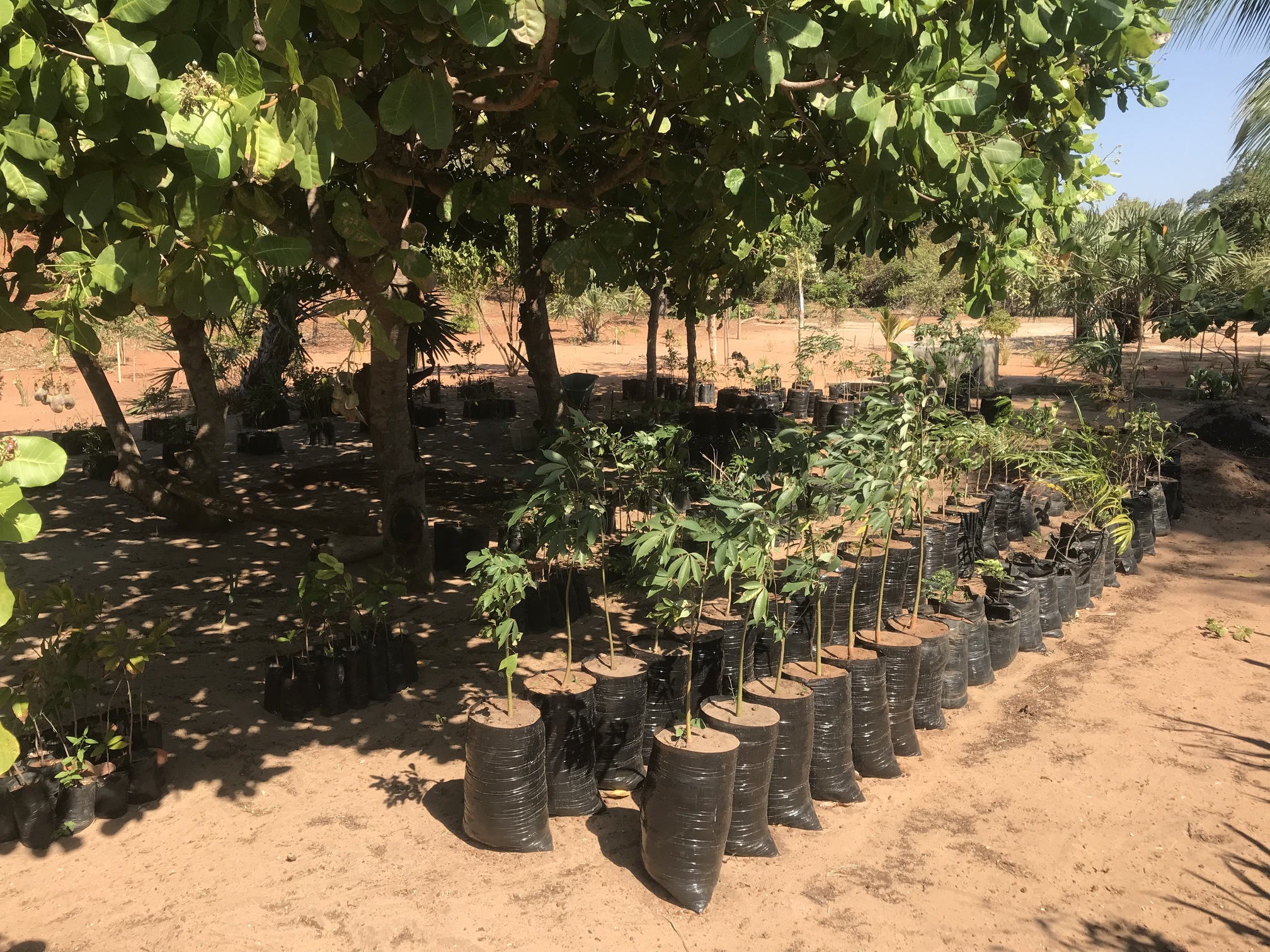
Participating farmers are motivated
Farmers decide if, where, and how to plant trees, adapt their farming methods, source seeds and seedlings themselves, and retain ownership of their trees and land.
As trees grow, carbon from the air is captured by photosynthesis. Tree growth is measured, so the sequestered carbon is quantified and verified and carbon credits can be issued and certified and sold on the international carbon market.
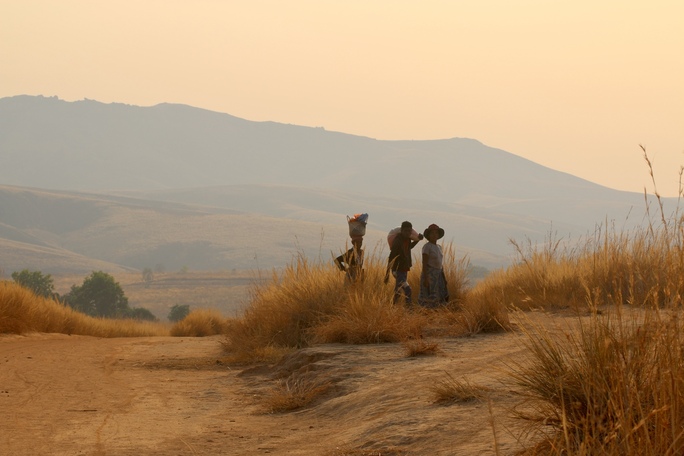
Farmers receive 70% of the profits from the sale of carbon credits
TERAKA farmers receive annual carbon prepayments for each living tree and 70% of profits from the sale of carbon credits.
Tree planting also allows TERAKA farmers to reap important non-carbon benefits. Trees provide fruit, fodder, fuel, windbreaks, shade, they restore degraded land and stabilize banks. Economic studies conducted during the early years of the TIST program in Africa value these other benefits at more than $8 per tree.
TERAKA
Training
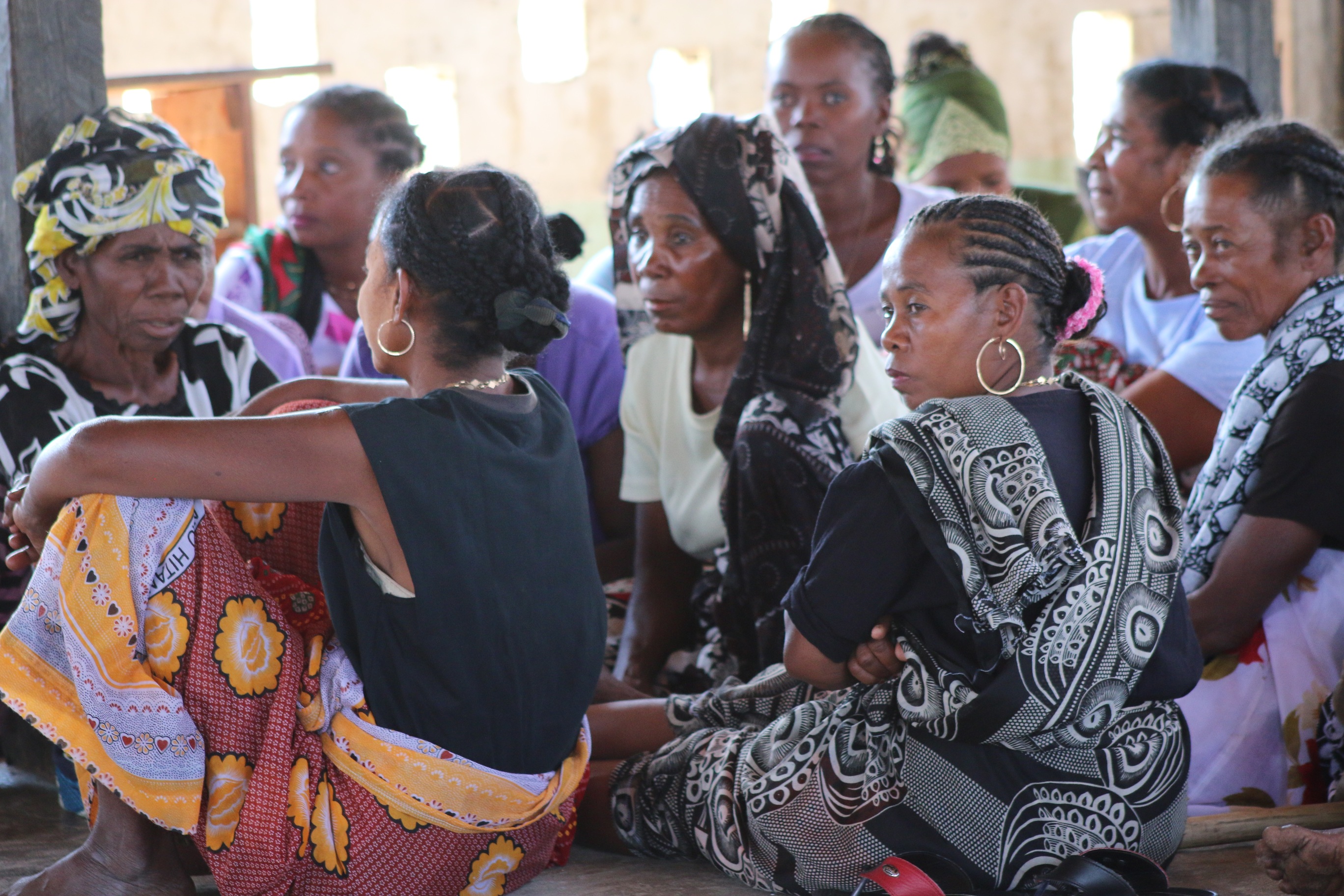
TERAKA conducts training by hosting cluster-wide seminars that bring together several small groups of farmers. The topics discussed in these seminars vary according to the interests of the participants, which can include planting techniques, health, water management, improved cookstoves, value chains, and more. These seminars also facilitate the sharing of best practices between peers in line with local conditions and context.
TERAKA Learning Centre
The TERAKA Learning Centre offers free educational resources to current and prospective TERAKA Farmers. These resources include trainings on various topics such as TERAKA Values, Best Practices, Conservation Farming, Small Groups, Rotating Leadership, Tree Planting, Seed Collection and Storage, Starting and Maintaining a Tree Nursery, TERAKA Eligibility Requirements and more. Interested farmers can create a free account on the TERAKA Learning Centre to access this material.
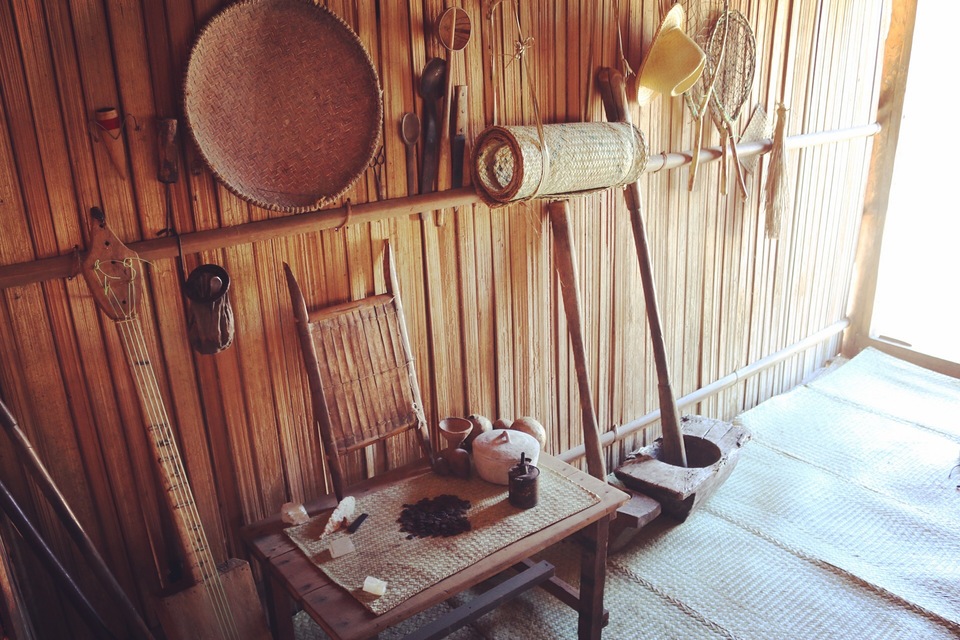
Innovative Approach to Education
The current models of mobile phone-based learning are not suitable for rural adult learners as they prioritize technology capabilities rather than available resources. This is a significant problem in areas with limited access to smartphones and the internet. Additionally, these models do not align with the traditional indigenous ways of learning that are based on dialogue among participants. The TERAKA model responds to these challenges by promoting the exchange of best practices between participants and by offering the TERAKA Training Center at low and high bandwidth, allowing learners to adapt the content to their respective bandwidth level.
TERAKA
Governance and leadership
Through the organization of TERAKA Small Groups, participants benefit from the TERAKA program's experience in governance and leadership. Small group meetings allow members to collaborate, share ideas and discuss issues. topics other than tree planting. This regular exchange promotes the emergence of ideas as well as solidarity and improves communications and the natural organization of communities.
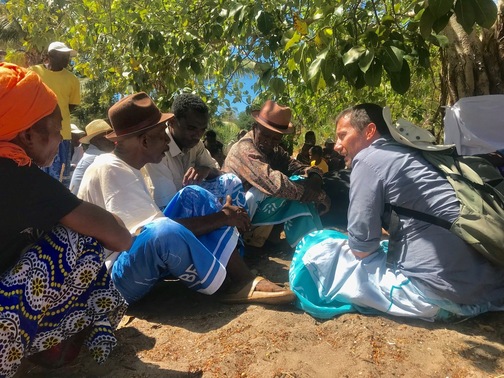
The participants enrich each other by sharing their best practices.
TERAKA farmers have access to technical training on agriculture but also on other topics that may interest them such as family health or governance.
Planting trees is a civic action that improves the general environment for the well-being of the whole community.
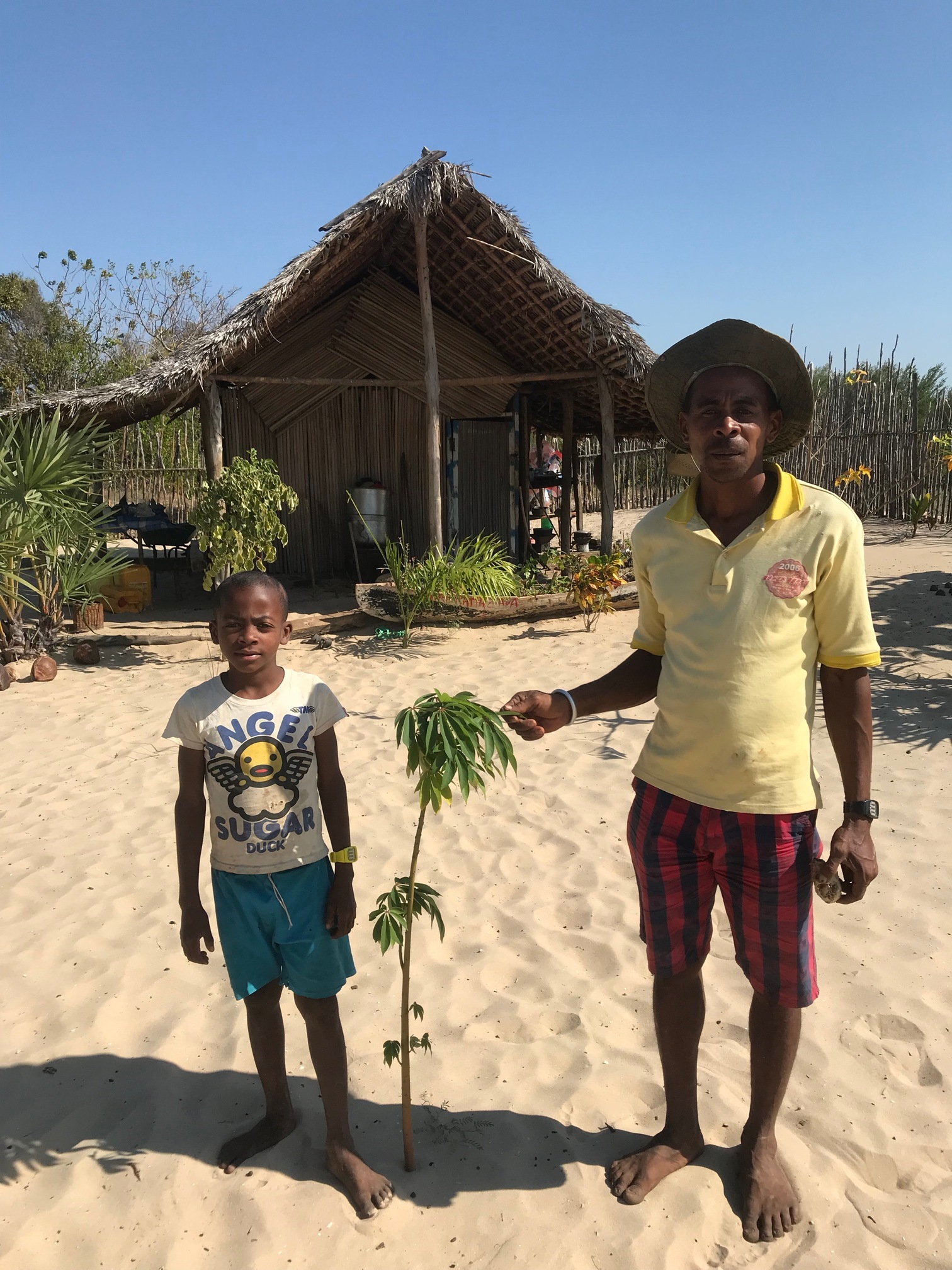
Community members as TERAKA social entrepreneurs
The TERAKA program utilizes community leaders to promote its model within the country, which results in increased awareness due to the credibility and trust that community members place in their own leaders. By doing so, TERAKA strengthens human resources and significantly reduces the costs associated with expanding the program, which maximizes farmers’ carbon profits.
TERAKA
Cross-fertilization
The TERAKA program grows by word of mouth
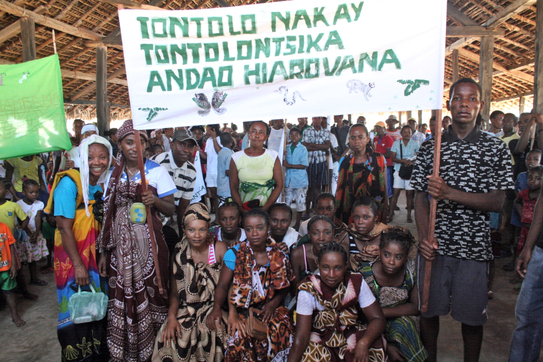
Farmers learn about TERAKA from other TERAKA farmers and join small groups of 6-12 people who form Clusters of 200-400 local farmers. Clusters coordinate small groups of women and men and provide leadership opportunities who are making a difference in their local community.
TERAKA
Monitoring, Reporting and Verification (MRV)
Teraka's MRV system is robust, transparent, efficient and economical. It monitors all the trees planted during the program and guarantees the eligibility of project areas. The system is hybrid based on the use of field and satellite data. The data produced is collected in a public database and its quality is systematically checked and audited at the various processing stages.
Community-MRV: Developing capacity and human resources
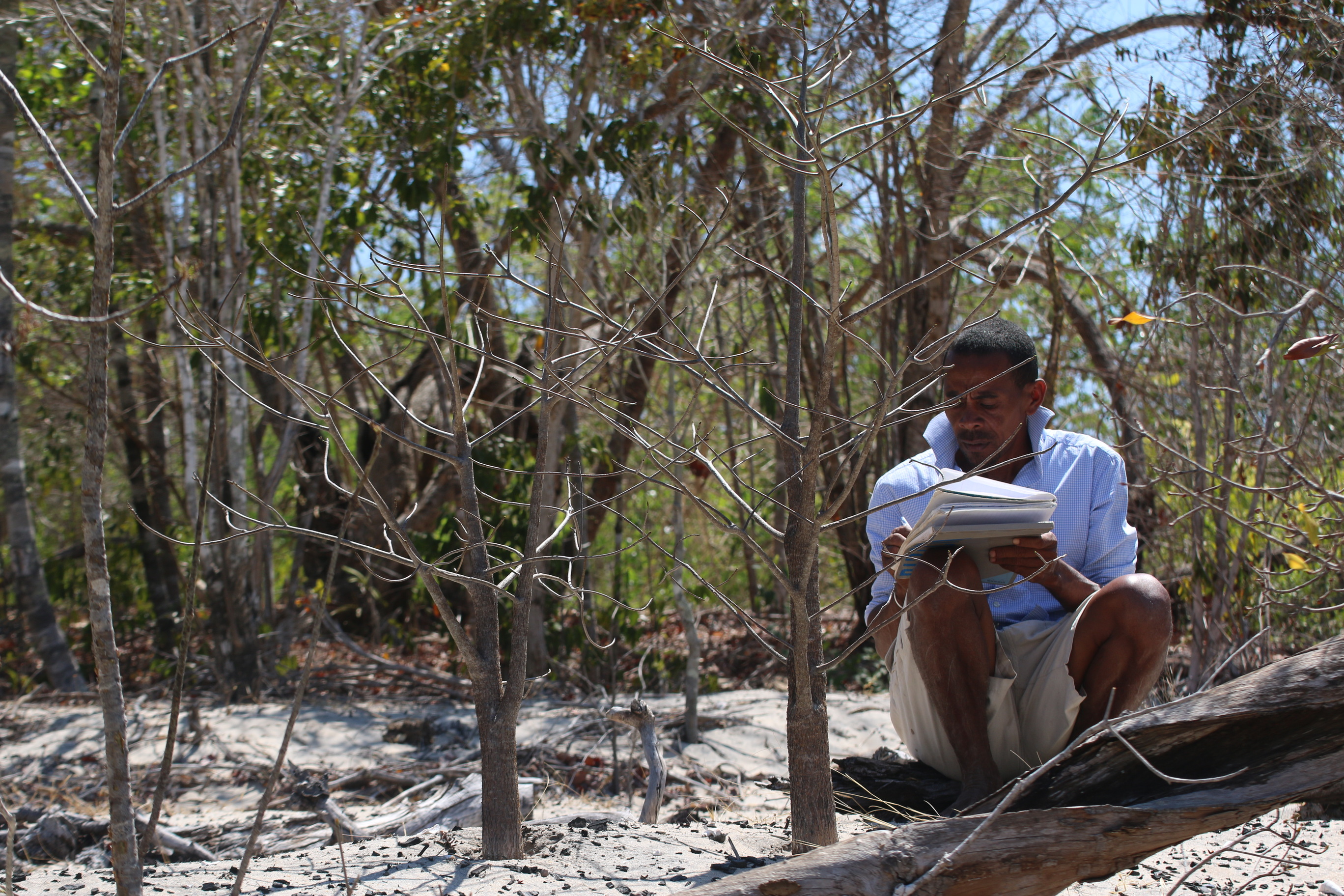
Farmers themselves play the most critical roles in monitoring and auditing, and in training other farmers to monitor the TERAKA project. Small Groups manage and oversee their own trees. Technically competent farmers are trained as Quantifiers to collect data in the field following Standard Operating Procedures. Using GPS and mobile devices, they liaise with the database center managed by iTERAKA. This system strengthens local capacity and allows for the development of human resources in the project by providing training and employment opportunities for local farmers. Additionally, it builds trust among selected community members participating in the project, as well as the entire community, by demonstrating that their knowledge and expertise are valued and proactively utilized in the implementation of the project.
Satellite-based MRV: Confirming eligibility, additionality and permanence
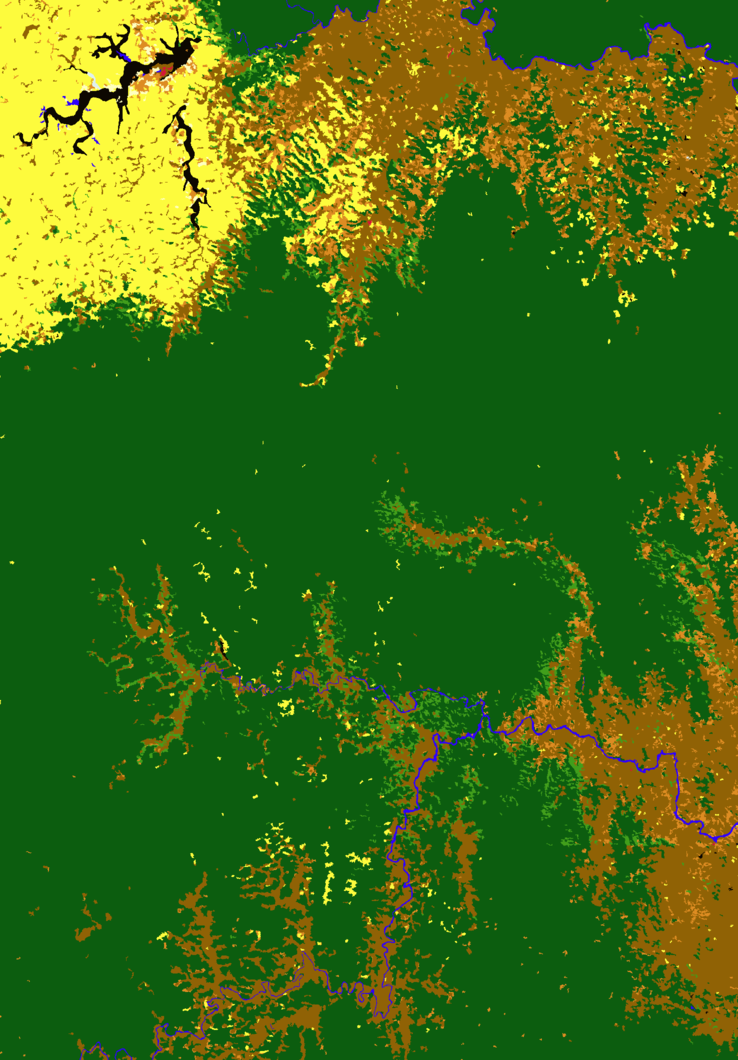
iTERAKA uses high-resolution satellite data for historical monitoring of plantation areas to complement field surveys and ensure project eligibility and additionality. Using remote sensing and machine learning algorithms, iTERAKA also monitors the permanence of the project, through near real-time monitoring of land use changes within the project areas. Research and development activities are underway to develop a remote sensing monitoring and control model for sequestered carbon, calibrated on field data.

Real-time data processing and information system
TERAKA implements a real-time database management strategy, where the Quantifiers collaborate with the TERAKA farmer to gather data on trees, land, soils, surfaces, and other relevant data such as those documenting the biodiversity of the plots. This information is then transmitted to iTERAKA's database using cost-effective and reliable technology. This approach allows for seamless sharing of information with TERAKA carbon credit buyers and other developers interested in carbon payments.